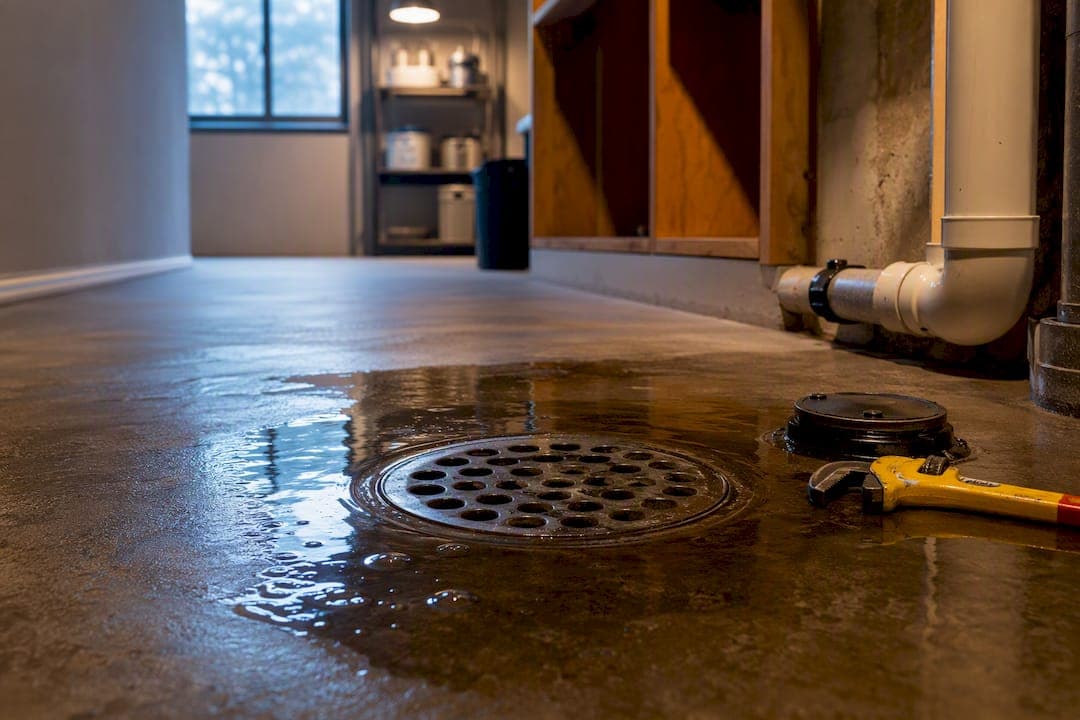
Most sewer backups trace back to one of four culprits: clogs from grease or flushable wipes, tree roots growing into pipe joints, aging or damaged pipes, and heavy rain overwhelming the municipal system. If more than one drain is backing up in your house, especially the lowest one, stop using water immediately and call a licensed plumber before the problem spreads.
TL;DR:
- Most sewer backups are caused by grease buildup, flushing non-degradable items, tree root intrusion, or aging pipes, especially in older homes.
- Early warning signs include multiple slow drains, gurgling toilets, persistent odors, and water backing up through floor drains, primarily in the lowest drain.
- Reinforcing habits such as avoiding grease, installing backwater valves, and scheduling regular inspections can prevent many backups; camera inspections reveal the true cause.
- Immediate actions include stopping water use, avoiding affected areas, contacting a licensed plumber, and documenting the incident for insurance claims.
- Routine inspections are more cost-effective than emergency repairs, particularly for homes with cast iron or clay pipes, and municipal responsibility generally ends at the property line.
Table of Contents
- What Causes a Sewer Backup in the First Place?
- What Are the Warning Signs of a Sewer Backup?
- What Are the Most Common Sewer Backup Causes?
- How Dangerous Is a Sewer Backup for Your Home and Health?
- How Can You Prevent a Sewer Backup Before It Starts?
- What Should You Do the Moment You Discover a Backup?
- Why Camera Inspections Beat Guesswork Every Time
- The One Habit That Actually Prevents Backups
- Get Your Sewer Line Inspected Before It Becomes an Emergency
- Where to Verify These Facts Yourself
- Sources
- FAQ
What Causes a Sewer Backup in the First Place?
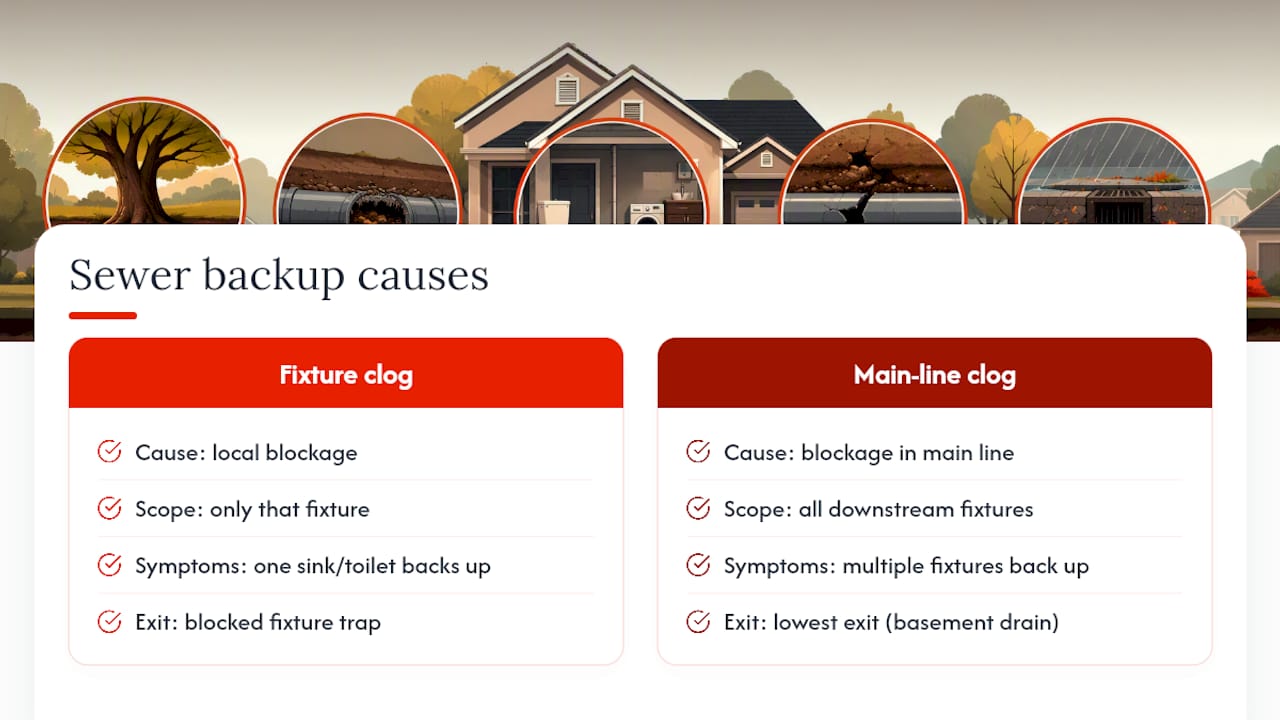
Your home's wastewater travels through a private service line to the municipal main under the street. Everything in between, from the house trap to the connection point, is your responsibility as the property owner. When something blocks that path, sewage has nowhere to go but back up, and it always finds the lowest exit first, usually a basement floor drain or a downstairs toilet.
That's why a single clogged bathroom sink is annoying but harmless to the rest of the house, while a blockage in the main line backs up everything downstream. If your kitchen sink, your washing machine drain, and your basement toilet all act up at once, the problem almost certainly sits in the main sewer line rather than a single fixture, not in one pipe.
What Are the Warning Signs of a Sewer Backup?
Sewer backups rarely happen without warning. Catching the early signals buys you time to call a plumber before sewage ends up on your floor.
- Multiple drains running slow or gurgling at the same time, not just one fixture
- A toilet that bubbles or backs up slightly when you run the washing machine
- Persistent sewer odor near floor drains, cleanouts, or in the yard
- Water or waste backing up through a floor drain instead of draining normally
- A foul smell outside near your sewer cleanout, which often signals main-line trouble
The rule of thumb plumbers use is simple: check the lowest drain in the house first. If it's the one acting up, you're likely dealing with a main-line issue, not a localized clog.
What Are the Most Common Sewer Backup Causes?
Every backup has a root cause, and most of them fall into five categories. Knowing which one you're dealing with changes whether you need a quick service call or a bigger repair.
- Clogs from grease and flushables. Cooking grease cools and hardens inside pipes, narrowing the channel until nothing passes. Wipes labeled "flushable," along with paper towels and feminine products, don't break down the way toilet paper does. The only things safe to flush are human waste and toilet paper — everything else belongs in the trash.
- Tree root intrusion. Roots chase moisture, and a hairline crack or loose joint in an old clay or cast iron pipe is an open invitation. Once inside, roots expand, catch debris, and eventually choke the line completely. This is one of the most frequent causes of main-line blockages in older homes, and it's largely invisible until a camera goes down the pipe.
- Aging or damaged pipes. Cast iron corrodes from the inside out; clay pipes crack and shift with soil movement. Homes built decades ago are far more likely to have pipe materials nearing the end of their service life, and recurring backups in an older house are often a symptom of that aging infrastructure rather than a one-time clog.
- Heavy rainfall and municipal overload. During storms, municipal systems can take on more flow than they're built to handle, sometimes backing water up into private lines. Infrastructure failures make this worse. DC Water's emergency repairs on the Potomac Interceptor showed how a single aging trunk line can threaten service for an entire region. Improperly connected sump pumps or French drains tied into the sanitary sewer add unnecessary volume and worsen system overload during storms.
- Bellies, offsets, and soil movement. A "belly" is a low spot in the pipe where it has sunk, letting waste and water pool instead of flowing downhill. These chronic problem spots usually require trenchless repair or full replacement, since no amount of snaking or root cutting fixes a structurally sagging pipe.
Pro Tip: If backups keep happening in the same spot every few months, stop treating it as a recurring nuisance and ask for a camera inspection. A visual look at the pipe interior tells you in minutes whether you're dealing with roots, a belly, or a simple clog, something guesswork never settles.
How Dangerous Is a Sewer Backup for Your Home and Health?
Sewage backup water, often called black water, carries bacteria and viruses that pose real health risks, so keep people and pets away from the affected area until it's professionally cleaned. Beyond the immediate hazard, standing sewage soaks into drywall, subfloors, and carpet, and mold can take hold within 24 to 48 hours if materials aren't dried and sanitized quickly. One detail catches homeowners off guard: standard homeowner insurance policies frequently exclude sewer backup damage entirely, so it's worth checking your policy for a backup endorsement before you need one.
How Can You Prevent a Sewer Backup Before It Starts?
Most backups are preventable with a handful of consistent habits and one or two smart installations.
- Follow the 3 Ps: only flush pee, poop, and (toilet) paper. Nothing else.
- Never pour cooking grease, fat, or oil down a sink drain. Let it cool and toss it in the trash.
- Install a backwater valve if your home doesn't already have one, especially if you've had backups before.
- Make sure sump pumps and French drains discharge outside, never into the sanitary sewer.
- Schedule a video inspection every few years, sooner if your home is older or has mature trees near the line.
- Book professional main-line cleaning at the first sign of slow drains rather than waiting for a full backup.
Pro Tip: A camera inspection doesn't just find problems, it tells you which fix actually applies. A pipe with early root intrusion might only need cleaning, while a pipe with a belly or a collapsed section needs trenchless repair or full replacement. Skipping the inspection means guessing, and guessing gets expensive fast.
What Should You Do the Moment You Discover a Backup?
- Stop using water immediately. Turn off washing machines and dishwashers, and avoid flushing toilets until the blockage clears.
- Keep people and pets out of the affected area. Black water contact carries real infection risk, and cleanup should wait for proper protective equipment.
- Call a licensed plumber right away. For main-line backups, you'll likely also need a licensed sewage cleanup contractor to handle sanitization.
- Document everything for your insurance claim, and if you suspect the failure originates in the municipal main, report it to your local water department for inspection.
- Skip the chemical drain cleaner and skip the DIY cleanup. Chemicals rarely clear a main-line blockage and can damage pipes, and black water cleanup isn't a job for a mop and a prayer.
Why Camera Inspections Beat Guesswork Every Time
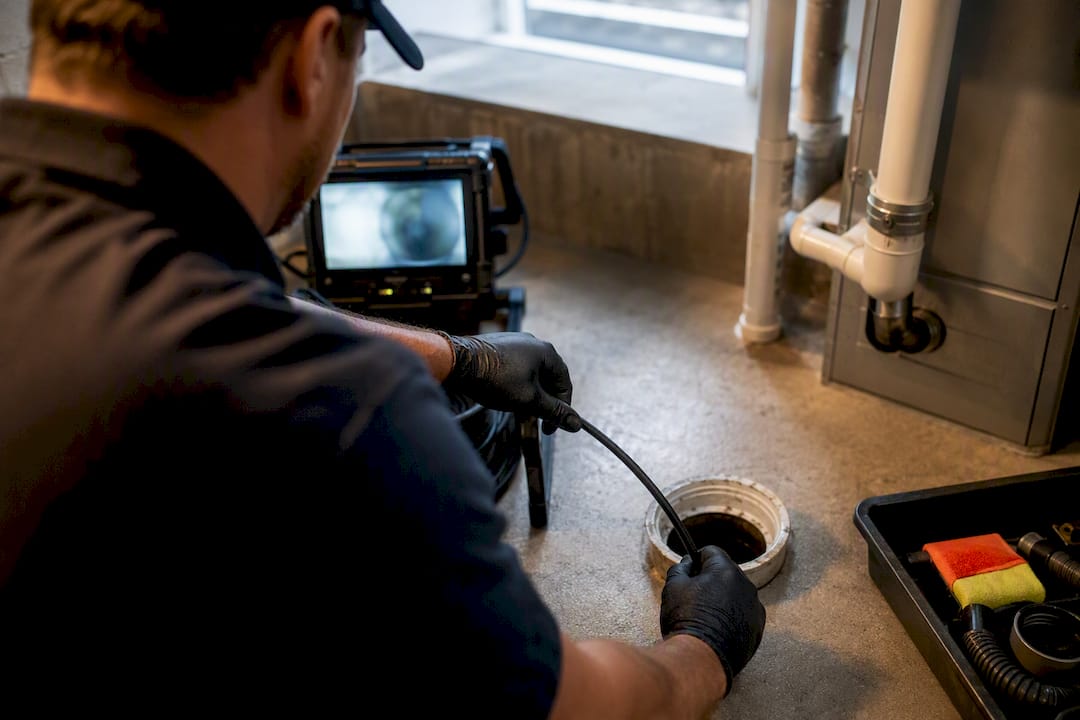
A video inspection shows exactly where roots, cracks, or bellies sit in the line, turning a guessing game into a clear diagnosis. Homeowners who schedule routine inspections generally spend less over time than those who wait for an emergency, since small problems are far cheaper to fix than a collapsed line.
The One Habit That Actually Prevents Backups
If your home is more than 30 years old or backups keep repeating, schedule a camera inspection. Stop pouring grease down the drain. That's the whole game.
— Matt
Get Your Sewer Line Inspected Before It Becomes an Emergency
A professional plumbing service gives homeowners a faster path to answers than waiting for a backup to force the issue. Instead of guessing whether that slow drain is a passing clog or the start of a root problem, a camera inspection settles it in one visit, and technicians can handle the fix, whether that's main-line cleaning, root removal, backwater valve installation, or emergency response when a backup hits at the worst possible time.

Older homes with cast iron or clay lines benefit most from getting ahead of the problem, and a preventive maintenance contract catches root intrusion and pipe wear long before they turn into a flooded basement. If you're dealing with slow drains, recurring backups, or just want peace of mind before winter freezes hit, schedule a service visit with Mystic Valley Home Services and get a real answer instead of a guess.
Where to Verify These Facts Yourself
Municipal utility pages offer some of the most reliable, jurisdiction-specific guidance on sewer backups, since they combine engineering data with real reporting procedures. The City of Portland's sewer backup guidance covers health precautions and insurance considerations, while Charlotte's stormwater and sewer reporting page explains how to flag a suspected municipal failure. Nashua, New Hampshire's public works page breaks down common residential causes in plain language.
Sources
- City of Portland — Sewer backups
- Nashua, NH — What causes a sewer to backup?
- Charlotte NC — Report a stormwater/sewer concern
FAQ
How Do You Fix a Backed Up Sewer?
For a single clogged fixture, a plunger or drain snake often clears it. For a main-line backup affecting multiple drains, you need a licensed plumber to run a professional-grade auger or hydro-jetter, sometimes preceded by a camera inspection to locate the exact problem.
How Common Are Sewer Backups?
Sewer backups happen often enough that most municipalities maintain dedicated reporting pages and public guidance on the topic, and older homes with clay or cast iron pipes face meaningfully higher risk of recurring issues.
What Is the Main Cause of Sewer Blockage?
Clogs from grease, non-flushable wipes, and other debris are among the most frequent triggers, with tree root intrusion close behind, especially in older neighborhoods with mature trees near sewer lines.
When Is the City Responsible for a Sewer Backup?
The city is typically responsible only for the municipal main, not the private service line running from your house to that main. If you suspect the failure is on the municipal side, report it to your local water department so they can inspect and determine responsibility.