Yes, order a focused plumbing inspection during your contingency period, and add a sewer camera scope if the house is older, sits near mature trees, or has any history of backups. A licensed plumber's written report, backed by video footage when a scope applies, gives you the evidence to request repairs, negotiate a credit, or walk away entirely.
TL;DR:
- A sewer scope should be ordered for homes over 20 years old, with large trees nearby, or a history of backups, and typically costs between $100 and $250.
- Functional testing during a plumbing inspection includes running multiple fixtures simultaneously, checking pressure, and exercising shutoff valves to identify hidden issues.
- Visible signs such as staining, warped wood, or sewer odors indicate potential problems that warrant a professional plumbing check before proceeding.
- Major red flags include collapsed sewer lines, slab leaks, or failing long-term supply piping, which can significantly impact negotiation and repair costs.
- Proper documentation, repairs by licensed plumbers, and early inspection scheduling help protect buyers and sellers from costly surprises during real estate transactions.
Table of Contents
- What a Plumbing Inspection Home Sale Includes
- What Should You Check During a Home Walkthrough?
- When Do You Need a Sewer Camera Inspection?
- Which Plumbing Problems Are Deal-Breakers?
- How Do You Negotiate Using Inspection Results?
- How Do You Read the Report and Pick a Contractor?
- Practical Checklist for Buyers and Sellers
- Does a Plumbing Inspection Affect Insurance or Financing?
- How Do You Prepare the Plumbing System Before an Inspection?
- Why Proactive Inspection Protects Everyone in the Deal
- Book a Pre-Purchase Plumbing Inspection
- Sources
- FAQ
What a Plumbing Inspection Home Sale Includes
A standard home inspector glances at plumbing as one item on a long checklist. A dedicated plumbing inspection goes further, and knowing the difference protects you from assuming your general inspection already covered the pipes.
The visual portion covers what's accessible: fixtures, exposed supply piping, drain traps, the water heater, sump pump (if present), and any visible sewer cleanouts in the yard or basement. A plumber checks for corrosion, improper fittings, missing shutoffs, and signs of prior patch jobs that suggest deeper problems.
Functional testing goes beyond looking. A thorough inspector runs multiple fixtures at once, tests static water pressure, exercises shutoff valves to confirm they actually close, and checks connections on the dishwasher, washing machine, and ice maker. A valve that hasn't turned in fifteen years often seizes the first time someone tries it, which is exactly when you want to find that out.
Specialized diagnostics are add-ons, not standard inclusions. These typically involve:
- Sewer camera scope of the lateral line running from the house to the street or septic tank
- Static pressure or leak testing to catch a slow drip that hasn't yet stained a ceiling
- Slab-leak detection using acoustic or thermal equipment for homes with in-floor piping
- Water heater combustion and safety checks, including venting and pressure-relief valve function
Deliverables vary by scope. A basic inspection produces a written report with photos flagging each defect and its severity. A sewer scope adds recorded video and a defect log noting pipe material, offsets, and blockages.
What inspectors won't do matters just as much as what they will. No inspector can promise a pipe won't fail next year, and most exclude hidden defects behind finished walls or under slabs unless you've specifically contracted for detection equipment. A pre-purchase plumbing inspection documents the system's condition on the day of inspection, not a guarantee about its future.
What Should You Check During a Home Walkthrough?
You don't need a plumber's license to spot warning signs during a showing. A few minutes of deliberate checking during your first or second walkthrough can tell you whether a professional plumbing inspection before buying a house is worth prioritizing or whether the system looks clean enough to move forward on schedule.
- Run every sink, shower, and toilet, ideally two at once, and watch how fast the water drains and whether pressure drops noticeably.
- Look under every sink and around every toilet base for staining, warped cabinet wood, or a bucket tucked in the back, which usually means someone's been catching a drip for months.
- Check the water heater's label for its manufacture date, and scan the tank and fittings for rust streaks or a damp ring on the floor beneath it.
- Listen for gurgling in drains after you flush, and sniff for a faint sewer odor near floor drains or cleanouts, both signs of a venting or line problem.
- Locate any exterior sewer cleanout caps, note their condition, and photograph anything unusual so you can show the inspector or your agent exactly what caught your attention.
None of this replaces a professional pre-sale plumbing check. It just tells you where to point one. If three bathrooms all show weak pressure at once, that's worth mentioning before the inspector even arrives, since it could mean anything from mineral buildup in old galvanized pipe to a partial blockage in the main line.
When Do You Need a Sewer Camera Inspection?
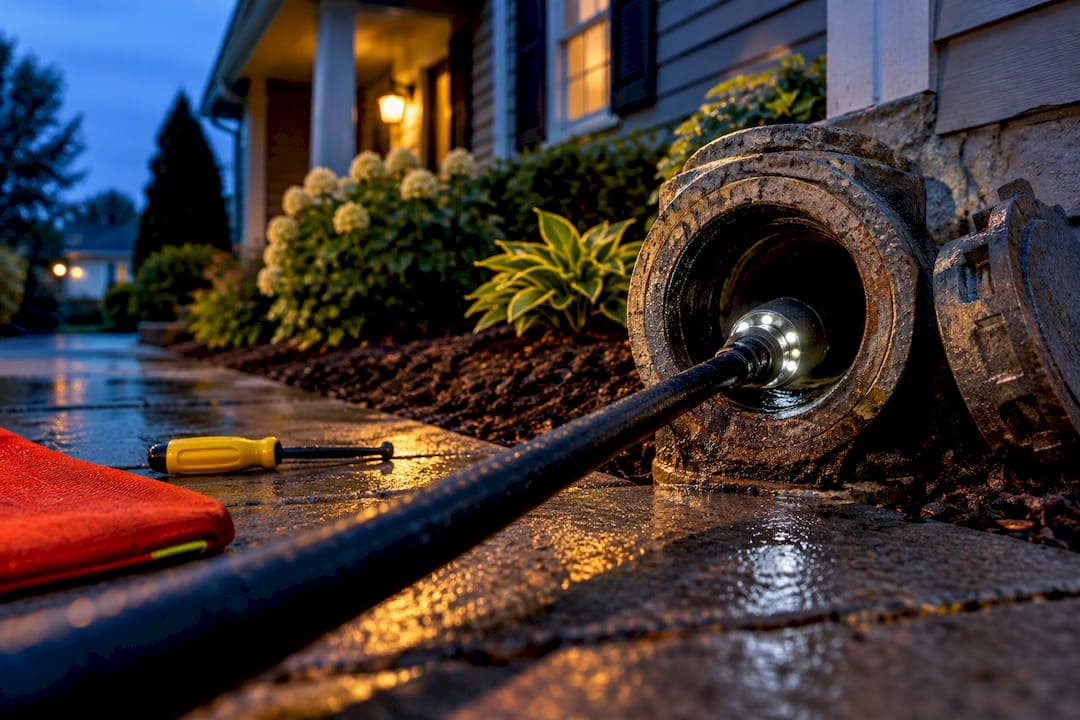
Order a sewer scope any time the home is more than about 20 years old, has large trees on the lot, or has a documented history of backups. A sewer scope inspection sends a small camera through the lateral line connecting the house to the municipal sewer or septic system, and it catches problems no visual walkthrough ever will.
Sewer scopes commonly turn up:
- Root intrusion from nearby trees pushing through pipe joints
- Bellies, where a section of pipe has sunk and collects standing water and waste
- Cracks or full collapses in aging clay, cast iron, or Orangeburg pipe
- Grease buildup narrowing the interior diameter over years of use
- Pipe material identification, which matters because some materials (Orangeburg especially) are near the end of their service life industry-wide
Sewer scope inspections typically cost between $100 and $250, a small price against a sewer line replacement that can run into the tens of thousands once excavation and permitting enter the picture.
A scope has one real limitation: it's a snapshot. The InterNACHI sewer-scope standard requires documenting visible defects, offsets over a quarter inch, standing water past an inch deep, and any inaccessible sections. It can't tell you the pipe will hold for another ten years, only what it looks like today.
Which Plumbing Problems Are Deal-Breakers?
Not every plumbing issue should derail a sale. A leaky faucet is a fifty-dollar fix. A collapsed sewer line is a different conversation entirely, and knowing which category a defect falls into is the core of the importance of plumbing inspection before you sign anything.
The systems most likely to blow up a deal:
- Main sewer line failure, particularly full collapse or a belly requiring excavation
- Slab leaks, where supply lines run under the foundation and repair means cutting concrete
- Whole-house supply piping in cast iron, galvanized steel, or Polybutylene nearing failure across the board
- Repeated sewage backups with no clear, already-fixed cause
Cost ranges vary widely by region and scope of work, but general patterns hold. Fixture repairs and minor leak fixes usually land in the low hundreds of dollars. Water heater replacement typically runs from several hundred to a couple thousand dollars depending on tank size and fuel type. Sewer line replacement is the outlier, ranging from a few thousand dollars for a short, easy-access repair into the tens of thousands for a long run requiring extensive excavation.
Pro Tip: Never negotiate off a ballpark estimate alone. Get at least one written bid from a licensed plumber before you settle on a credit amount, because sellers and their agents will push back on numbers that aren't backed by a real quote.
Most plumbing issues are negotiable once they're priced and documented. What turns a fixable problem into a deal-breaker is uncertainty: a sewer line nobody has scoped, a slab leak nobody has located precisely. Unknowns are harder to price than problems, and harder to walk away from with confidence.

How Do You Negotiate Using Inspection Results?
Once you have a report in hand, a plumbing inspection checklist of documented defects turns into leverage. Consumer protection guidance on the home buying process recommends using inspection findings, photos, and contractor bids as the basis for any repair request rather than negotiating from memory or a verbal description.
Four outcomes typically follow a plumbing inspection with findings:
- Seller repairs before closing, using a licensed plumber and providing receipts as proof the work was done correctly.
- A closing credit, where the buyer takes cash off the price and handles repairs after moving in.
- An escrow holdback, where funds are set aside specifically for work scheduled soon after closing.
- Contingency cancellation, when the defect is severe enough, or unclear enough, that walking away makes more sense than negotiating.
Timing matters more than most buyers realize, as shown in tips on how to inspect new build property in Spain, where inspection timing and checklists are crucial during the contingency period (How to inspect new build property in Spain — Fiesta Properties). Schedule your plumbing inspection and any sewer scope early in the contingency window, not on the last possible day. A standard plumbing inspection cost typically corresponds to a visit lasting one to three hours, and sewer scopes are usually completed the same day, but you still need time left over to get contractor bids and negotiate before your contingency deadline expires.
If the seller agrees to make repairs themselves, insist on licensed-plumber receipts and a defined scope of work in writing. A vague promise to "fix the leak" invites a patch job that resurfaces six months later.
How Do You Read the Report and Pick a Contractor?
Inspection reports use severity language that's easy to misread. "Monitor" usually means schedule maintenance within the next year. "Recommend immediate repair" means don't close without addressing it, full stop. Learn the difference before you assume every flagged item carries equal urgency.
Specialists come into play for anything beyond routine repair: slab-leak detection, sewer rehabilitation, or a full-house repipe. When you call one, ask about their specific equipment, not just their general experience.
A short vetting checklist before hiring:
- Confirm active state licensing and liability insurance
- Ask specifically whether they own camera equipment for drain and sewer diagnostics
- Request an itemized, line-item bid rather than a lump-sum number
- Ask for two or three references from similar repair jobs in the past year
For closing and future resale, document every completed repair with dated photos, itemized receipts, and a signed statement from the contractor describing the work performed.
Practical Checklist for Buyers and Sellers
A pre-sale plumbing check follows a predictable rhythm once you know the sequence: visual walkthrough, functional testing, specialized diagnostics if warranted, then a written report you can act on.
Here's what to have ready before an inspector arrives:
- Clear access to the water heater, sump pump, and any crawlspace or basement plumbing
- A list of any known past issues, even ones you think are already resolved
- Location of the main water shutoff and any exterior sewer cleanouts
- Recent utility bills, which can hint at a hidden leak if usage jumped unexpectedly
During a pre-purchase plumbing inspection, Mystic Valley Home Services checks fixtures, supply lines, the water heater, and visible drain and sewer access points, then documents findings in a written report you can use in negotiations. For more detail on methodology, see how a plumbing inspection works and why annual plumbing inspections matter even outside a sale transaction.
Pro Tip: If you're selling, order your own inspection before listing. Finding a problem on your terms, with time to get bids, beats finding out during someone else's contingency period with a closing date bearing down on you.
Does a Plumbing Inspection Affect Insurance or Financing?
A plumbing inspection can directly change what a lender or insurer is willing to offer. Homeowners insurance underwriters increasingly ask about the age and material of supply and sewer piping, and a documented history of leaks or backups can raise premiums or trigger exclusions on water damage claims. Some insurers decline coverage outright for homes with known Polybutylene or galvanized supply lines still in service.
On the financing side, appraisers and underwriters care about anything that affects the home's habitability or long-term value. A sewer line collapse or an active slab leak discovered during inspection can stall a loan until repairs are completed or a repair escrow is arranged, particularly with FHA and VA loans, which carry stricter property condition standards than most conventional financing.
This is where inspection timing loops back around to protect you financially. A clean plumbing report, or one with issues already addressed through negotiation, gives your lender confidence the property meets underwriting standards. It also gives you, as the buyer, a record to show your own insurer when you shop for a policy, which can sometimes help you avoid a higher premium tied to unknown pipe age or material.
Sellers benefit here too. A documented, pre-listing inspection showing the plumbing is sound, or showing repairs were made and receipted, removes a point of friction that might otherwise slow down a buyer's financing or insurance approval later in the process.
How Do You Prepare the Plumbing System Before an Inspection?
A little preparation can mean a smoother inspection and a cleaner report, whether you're the one selling or getting ready for a buyer's inspector to show up.
Clear physical access first. Move stored boxes away from the water heater, unblock crawlspace or basement entry points, and make sure sewer cleanout caps aren't buried under mulch or a planter. An inspector who can't reach a fixture can't evaluate it, and that turns into a note about limited access rather than a clean pass.

Fix the obvious stuff yourself beforehand. A running toilet, a dripping faucet, or a slow bathroom drain are all things you can address before an inspector arrives, and doing so keeps small issues from cluttering a report that should focus on bigger structural questions. The same logic applies to a gurgling drain, which often signals a venting issue worth investigating ahead of time.
Gather your paperwork. Any past repair receipts, warranty documents, or records of a previous sewer scope give the inspector useful context and show a buyer you've maintained the system rather than ignored it. Run every faucet and flush every toilet in the days beforehand, just to catch anything obviously wrong before it becomes a surprise during the actual visit. The EPA notes that the average household loses nearly 10,000 gallons a year to undetected leaks, and fixing the easy ones can cut about 10% off a water bill, which is reason enough to hunt them down before anyone else does.
Why Proactive Inspection Protects Everyone in the Deal
The plumbing problems that cause the most damage in a home sale are rarely the ones anyone was hiding. They're the ones nobody looked for. A belly in a sewer line, a corroded shutoff valve that hasn't turned in a decade, a water heater three years past its rated life. These sit quietly until someone finally points a camera or a pressure gauge at them.
Buyers benefit from catching these early because negotiation leverage disappears the moment you've already closed. Sellers benefit just as much, since a documented, pre-listing inspection heads off disclosure disputes down the road. The one rule that doesn't bend: for any sewer work, hire a licensed plumber who owns their own camera equipment, not a general contractor guessing at what's underground.
— Matt
Book a Pre-Purchase Plumbing Inspection
Mystic Valley Home Services runs pre-purchase plumbing inspections built around exactly the risks this article covers: aging supply lines, questionable sewer conditions, and water heaters nobody's checked in years. As a family-owned, licensed and insured team based in Massachusetts, we bring camera equipment to the job rather than sending someone to guess at what a scope might show later.

Our technicians are licensed and insured, provide direct owner oversight on every job, and offer timely scheduling to accommodate contingency deadlines. This is especially important in older housing stock where original piping may be common and rushed inspections can miss costly defects.
Visit our plumbing services page to see the full range of repair and inspection work we handle, or head straight to safety inspections to book a pre-purchase plumbing check before your contingency window closes.
Sources
- Fix a Leak Week — EPA WaterSense
- Realtor
- Sewer scope Standards of Practice — InterNACHI
- Schedule a home inspection — Consumer Financial Protection Bureau
FAQ
Is a Plumbing Inspection Normal When Buying a House?
Yes, a plumbing inspection is a standard part of due diligence during a home purchase, especially since general home inspectors often check plumbing only visually. A dedicated pre-purchase plumbing inspection or sewer scope catches issues a standard walkthrough misses, particularly in homes over 20 years old.
Can You Sell a House With Plumbing Issues?
Yes, you can sell a house with known plumbing issues as long as you disclose them properly to the buyer. Many sellers choose to price the issue into the sale, offer a closing credit, or complete repairs beforehand using a licensed plumber to avoid disclosure disputes later.
How Much Does a Plumbing Inspection Cost?
A dedicated sewer camera scope typically costs between $100 and $250, while a broader plumbing-focused inspection can run higher depending on the scope of work and home size. Mystic Valley Home Services provides current pricing for pre-purchase plumbing inspections directly on its safety inspections page.
What Is the Biggest Red Flag in a Home Inspection?
Undocumented sewer line problems, such as a collapse, belly, or severe root intrusion, tend to be the biggest plumbing red flag because repairs can run into the tens of thousands of dollars once excavation is involved. Slab leaks and failing whole-house supply piping in cast iron or galvanized steel are close behind in terms of repair cost and negotiation impact.